
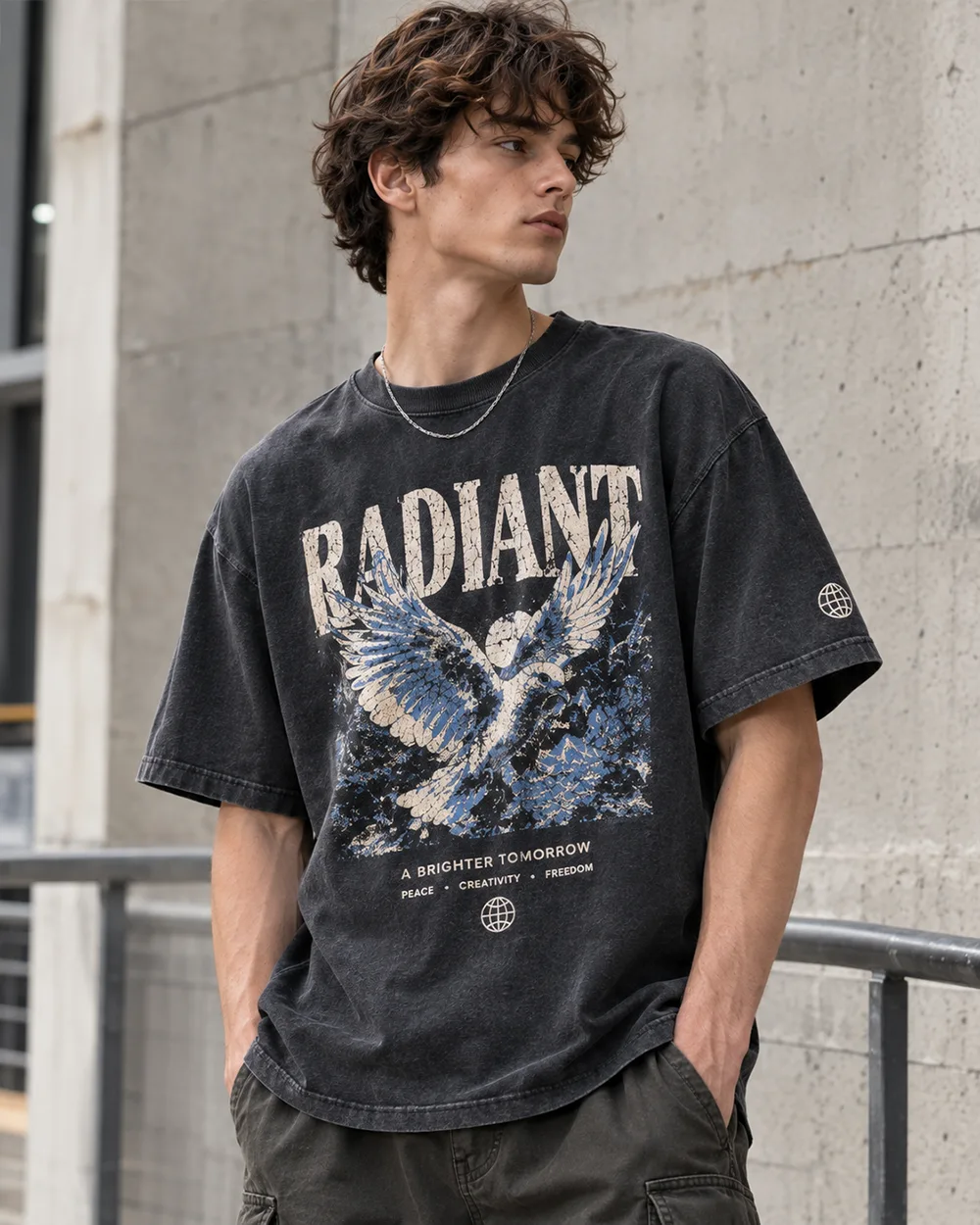
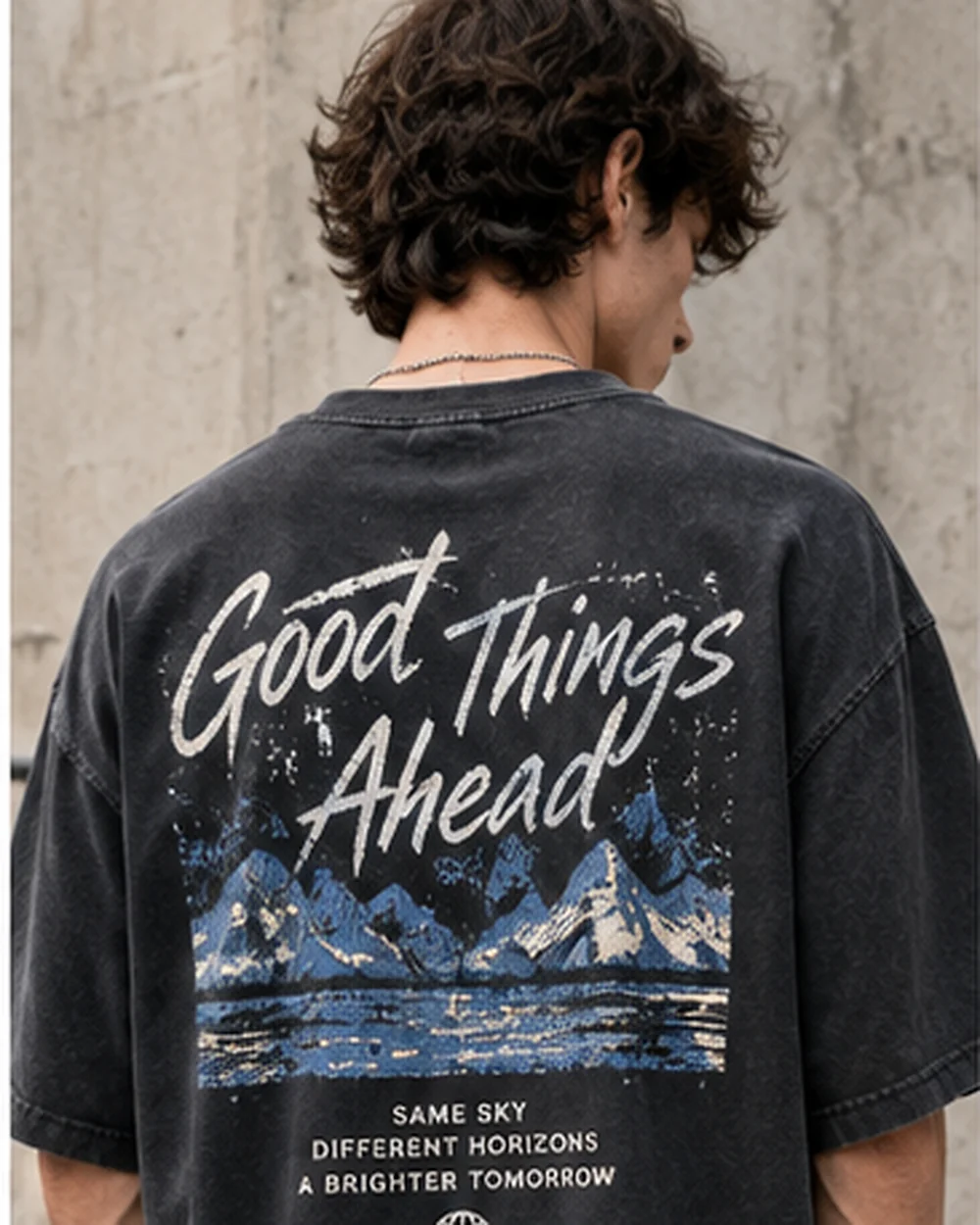
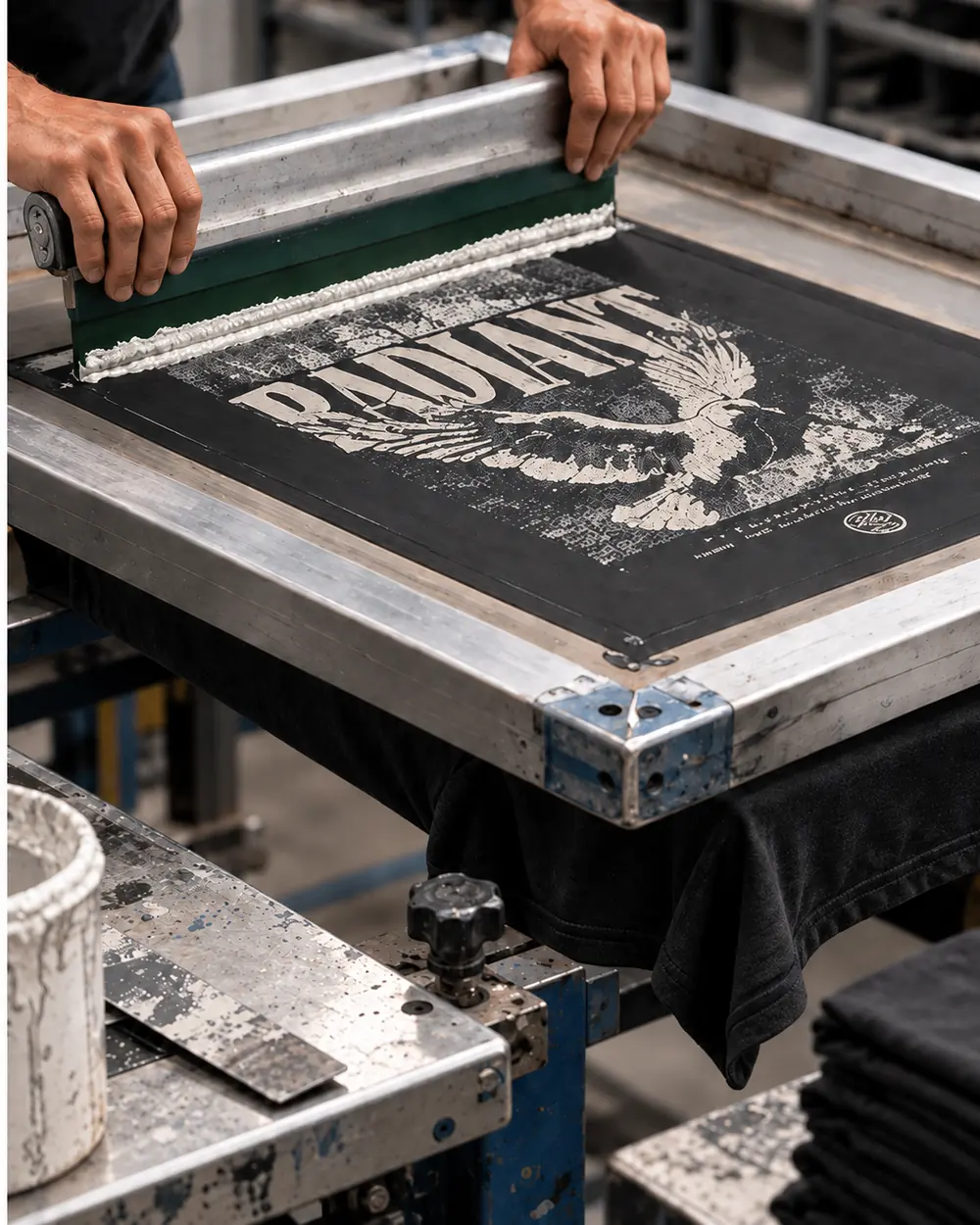
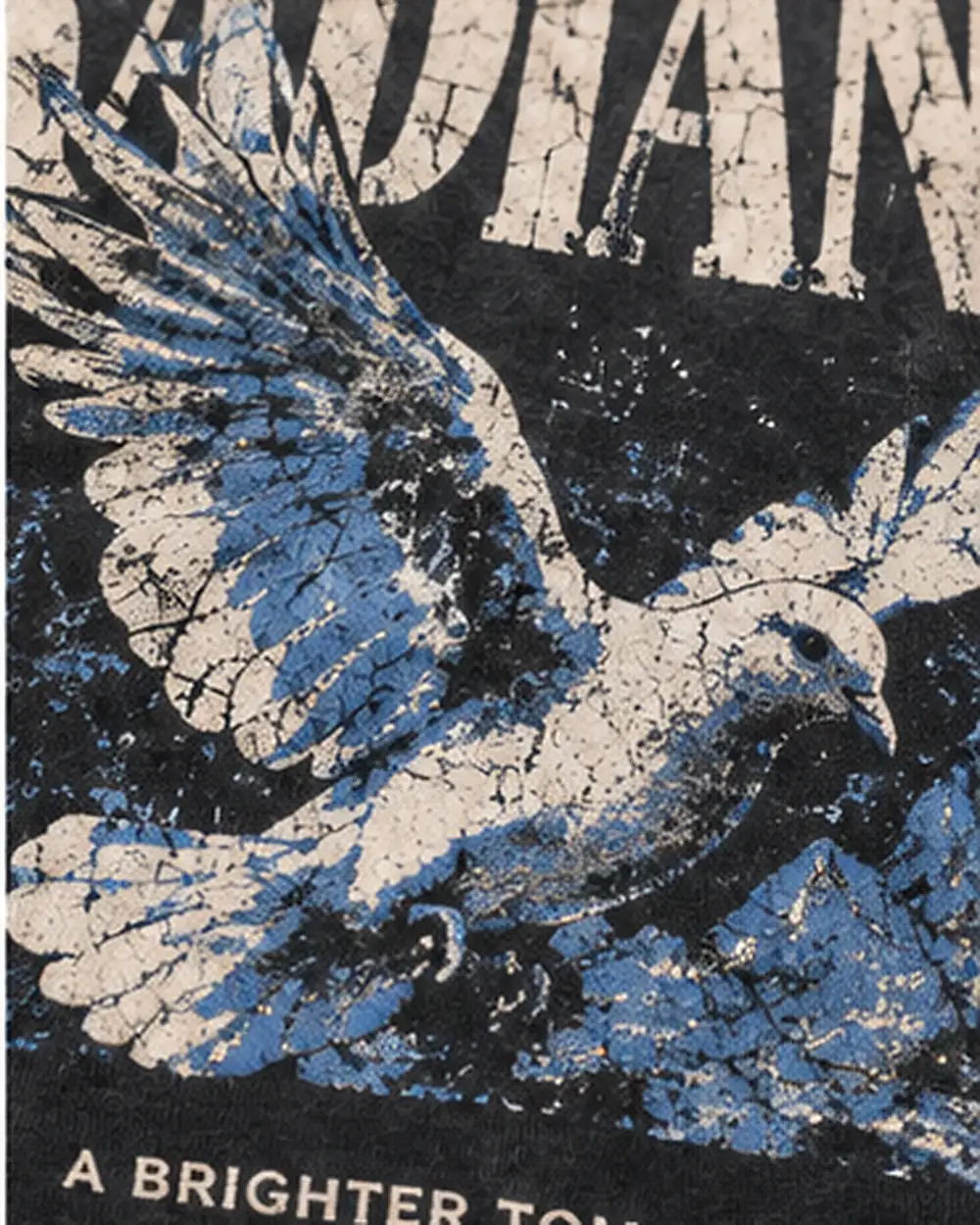
As a custom screen printed T-shirt manufacturer, YX Custom Clothing develops printed tees for fashion and streetwear brands based on artwork, tech packs, reference samples and custom design requirements.
Screen printing can look simple from the outside, but the final result depends on much more than placing artwork on a T-shirt. Fabric surface, ink type, artwork detail, print size, color separation and curing all affect how the finished print looks and feels.
YX Custom Clothing develops custom screen printed T-shirts for fashion brands, streetwear labels and private label projects based on your artwork, tech pack, reference sample or design concept. We review the garment and print together before bulk production rather than treating them as two separate parts of the product.
A print file may look good on a computer screen and still need adjustment before it works well on fabric. Very thin lines, tiny text, tight gaps and complicated distressed details do not always transfer to a screen exactly as they appear in the original artwork.
Before sampling, we normally look at the final print size, number of colors, level of detail and the T-shirt fabric underneath. A large graphic on heavyweight cotton jersey behaves differently from a small chest print on a lightweight tee, so the artwork and garment should be reviewed together.
The fabric underneath the print has a direct effect on the finished result. A smoother cotton jersey usually gives a cleaner printing surface, while fabrics with more texture, stretch or surface variation may require changes to the artwork, ink deposit or print setup.
Fabric weight also matters. Large or dense prints can feel heavier on lightweight fabric, while a more substantial jersey often supports bold graphics more naturally.
For this reason, we usually confirm the fabric, garment color and print direction before locking the final screen setup.
A graphic that looks balanced in an artwork file can feel very different once it is placed on an actual T-shirt. Chest width, neckline position, shoulder shape and garment size all change the visual space available for printing.
For large front or back prints, we check how the artwork sits on the garment rather than relying only on a measurement from the top edge. Prints that are too high can crowd the neckline, while prints that are too low may look disconnected from the garment shape.
Sleeve printing needs even more attention because the working area is smaller and closer to seams. During sampling, placement is checked on the actual garment so the print can be adjusted before bulk production.
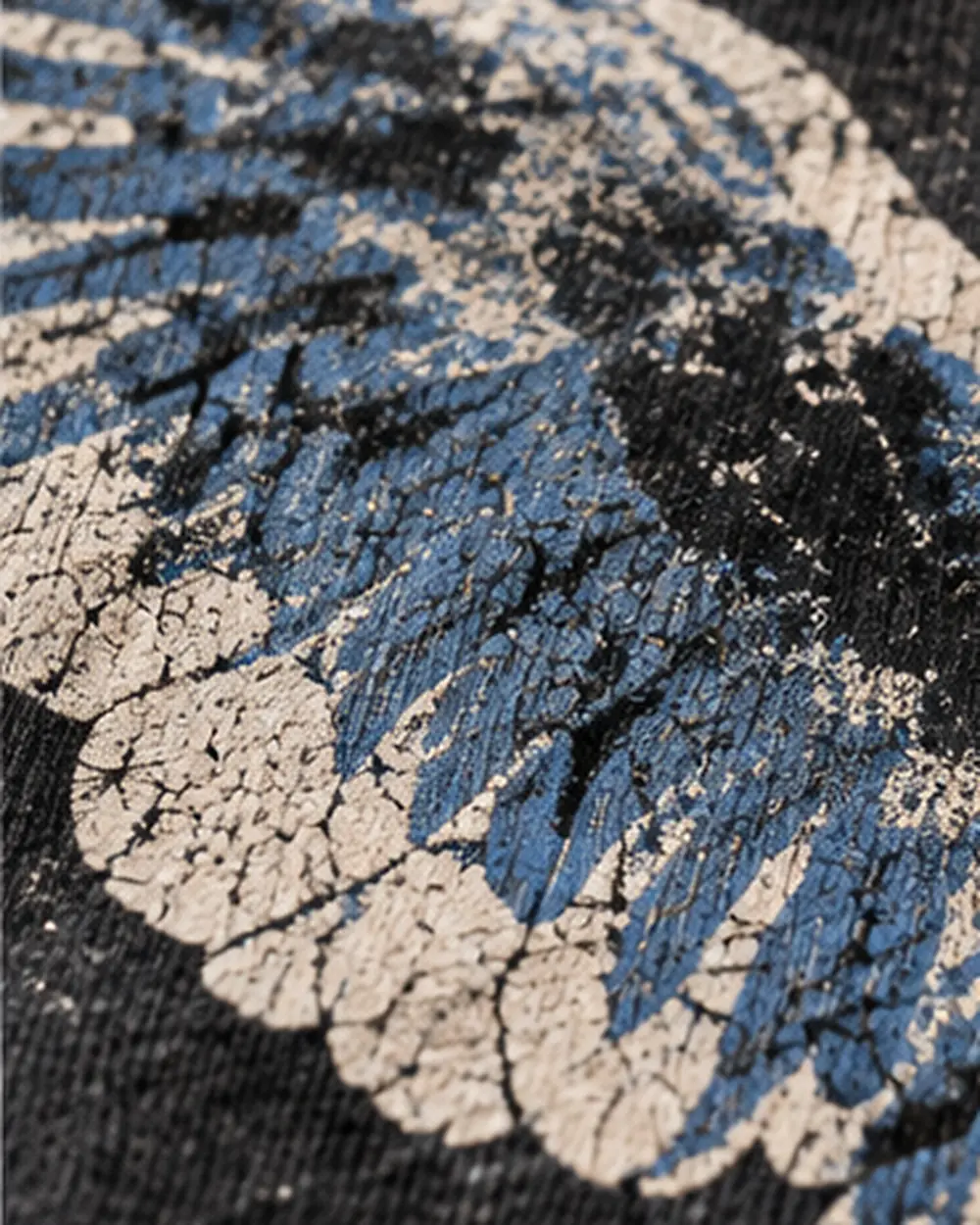
There is no single ink system that is best for every screen printed T-shirt. Plastisol, water-based ink, puff effects and other screen printing approaches each create a different appearance and hand feel.
Plastisol can provide strong color coverage and works well for many bold graphics. Water-based printing can give a softer feel on suitable fabrics, especially when the design is intended to sit more naturally into the garment surface.
Puff printing creates a raised effect, but the artwork normally needs simpler shapes and enough spacing for the expansion to remain clean.
The right choice depends on the fabric, garment color, artwork and the look the brand wants to achieve. We prefer to test that combination on the sample rather than selecting an ink only from a description.
Small text and narrow lines are common places where screen printing files need modification. If two details sit too close together, ink can close the gap. If a line is too thin, it may not reproduce consistently across production.
This does not always mean simplifying the whole design. Sometimes only a few areas need slightly more spacing, heavier lines or a different separation.
The goal is to keep the character of the original artwork while making sure the printed result is stable enough for production.
Multi-color graphics also need accurate registration. Small alignment differences become more visible when colors meet closely, so color separation and screen registration should be checked before approving the final sample.
A vintage or distressed print should not look like a normal print that simply failed to cover the fabric. The aged effect needs to be built into the artwork and tested with the selected ink and garment.
Good distressed printing still needs controlled edges, readable important details and a consistent overall direction. The amount of broken texture can be adjusted depending on whether the brand wants a lightly worn appearance or a much more aged graphic.
If the T-shirt itself is washed or garment dyed, the print and wash process also need to be considered together. Washing after printing can change color, surface feel and the appearance of the distressed areas, so the sequence should be confirmed during development.
A screen print is not finished when the ink first leaves the screen. It also needs the correct curing conditions for the selected ink system.
Under-cured ink can create durability problems after washing, while excessive heat may affect the garment or print surface.
During development and production, curing settings should match the ink, fabric and print coverage rather than relying on one setting for every T-shirt.
For samples, we check the finished print after curing and can also evaluate wash performance when needed before the order moves into bulk production.
We recommend approving a physical printed sample before bulk production, especially when the design includes large graphics, several colors, distressed effects or special inks.
A real sample allows the brand to check print size, placement, color, hand feel and how the graphic works with the T-shirt itself. It also gives production a physical reference instead of relying only on the artwork file.
If something feels too heavy, too bright, too high or too close to a seam, it is much easier to correct at this stage than after hundreds of garments have already been printed.
Our standard MOQ for custom screen printed T-shirts is 100 pcs per color.
After the sample is approved, bulk production can include:
Fabric sourcing and inspection
Cutting and sewing
Artwork checking and color separation
Screen preparation and machine setup
Ink mixing and print color confirmation
Screen printing on garments or cut panels
Curing and print inspection
Garment measurement and appearance checks
Private label attachment
Folding, packaging and shipment preparation
During bulk printing, we compare placement, color, print coverage and overall appearance against the approved sample.
For multi-color artwork, registration is also checked because even a small shift can change the appearance of fine details.
We can also assist with private labels, packaging and international shipping based on the needs of the project.
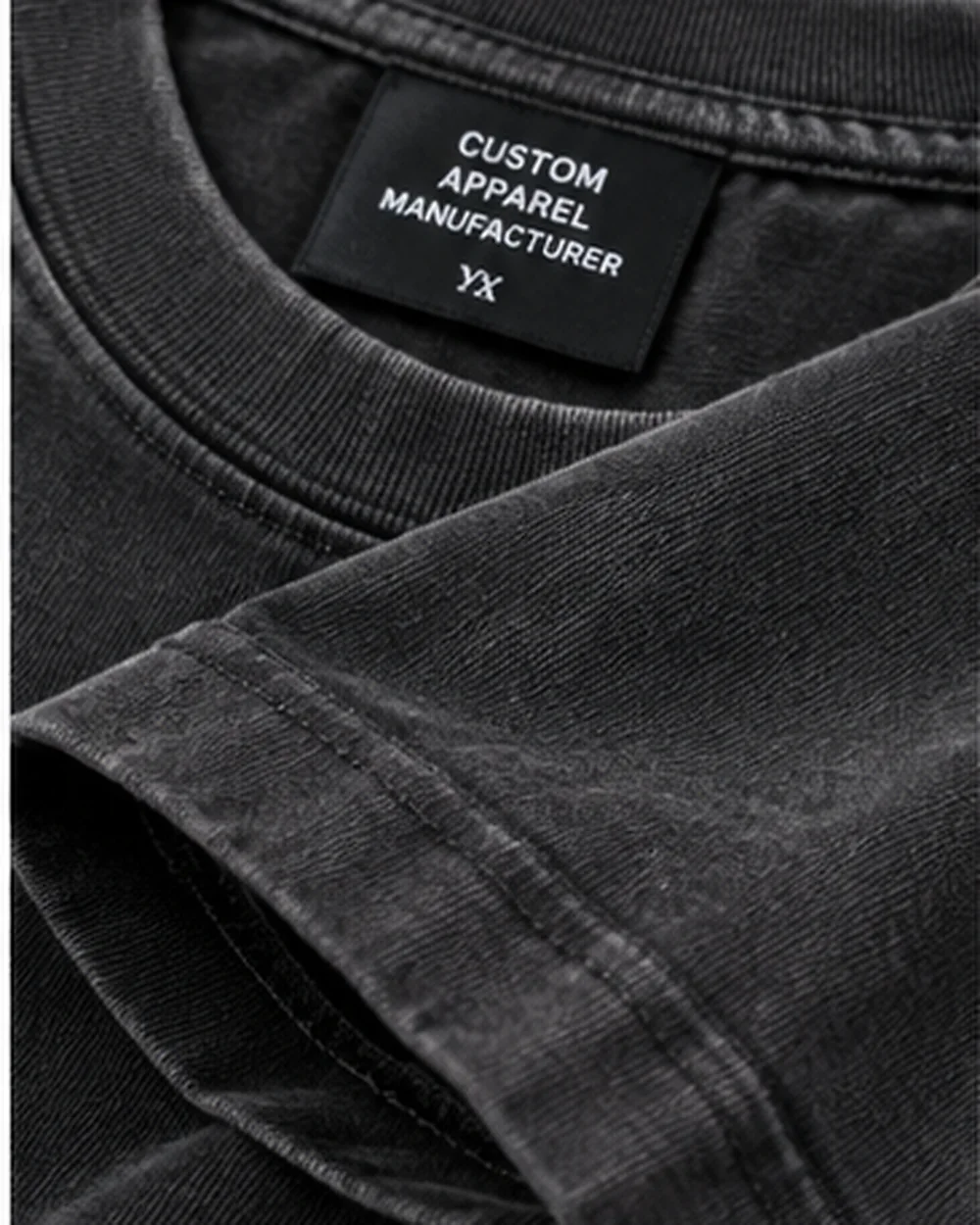
Neck labels, care labels, hangtags and packaging can be developed around the approved T-shirt rather than treated as unrelated extras.
For printed tees, we normally prefer to finalize the garment and screen print first. Once the fit, print placement and graphic appearance are confirmed, the remaining branding details can be matched to the finished product more accurately.
Explore our custom T-shirt manufacturing options for other T-shirt styles, fabrics and decoration methods.
Cotton jersey is commonly used because it usually provides a stable printing surface, but the best fabric depends on the print style and desired garment feel. Fabric weight, surface texture, stretch and finishing can all affect the finished print.
Neither is automatically better. Water-based ink can provide a softer feel on suitable fabrics, while plastisol is widely used for strong coverage and many graphic applications. The choice should match the garment, artwork and intended finish.
Yes. Large prints are common on streetwear and graphic T-shirts. Print dimensions, garment size, placement and ink coverage should be checked during sampling because a large design can affect both the appearance and hand feel of the finished garment.
Yes, within practical limits. Very fine lines, tiny text and narrow gaps may need adjustment depending on the artwork size, mesh, ink and fabric. We normally review these details before preparing the production screens.
Yes, but the order of printing and washing should be tested. Washing can change print color, surface texture and the overall aged effect, so the print and wash process should be developed together when both are used on the same T-shirt.
The practical number depends on the artwork, printing setup and project requirements. Multi-color designs normally require separate color separation and registration, so more colors also mean more setup and additional production control.
Our standard MOQ is 100 pcs per color. The final production setup may also depend on the fabric, number of print colors, print size, ink type and other customization requirements.

Share your idea, sample request, or product details with us.