When developing a new garment, brands usually send their designs, reference images and measurement requirements to a factory to ask about clothing sample cost and bulk pricing.
A common question follows: why does making one sample cost so much more than the unit price for the same garment in bulk?
The sample fee covers more than the materials and sewing for one piece. It also covers the development work needed to turn a design into a physical garment. Patterns need to be made, fabrics and trims need to be sourced, and styles with printing, embroidery or other treatments require their own setup and production work.
Understanding where these costs come from helps you assess the quotation against your design requirements and plan your development budget.
How Much Does a Clothing Sample Cost?
Clothing samples are quoted based on the specific design. Even two T-shirts can have different sample costs depending on the fabric, fit, printing and wash effects.
When a factory reviews your design information, it needs to understand three main areas:
- The garment itself: the fabric, fit, construction and sewing requirements.
- Decoration and treatments: printing, embroidery, appliqué, rhinestones, washing or other processes.
- Custom trims and packaging: branded labels, hangtags, custom drawcords, hardware or packaging bags.
All three contribute to the clothing sample cost, but each involves different types of expenses.
For example, a T-shirt with printing and a wash treatment requires the factory to assess the garment development and construction, along with the printing and washing requirements. If custom branded labels and packaging bags are also needed, their production quantities and costs need to be checked.
When asking for a sample price, providing design images, a measurement chart, fabric requirements and decoration details will get you a more useful quotation than simply asking, “How much does a T-shirt sample cost?” If some details are still undecided, you can discuss them with the factory before the price is confirmed.
What Goes Into Developing and Making the Garment?
Pattern Making Based on Your Design and Measurements
For a style developed from scratch, the customer usually provides design drawings, reference images, a measurement chart or a physical reference garment. The factory then develops the pattern.
The pattern maker turns these requirements into pattern pieces that can be used for cutting and sewing. Body length, chest width, shoulder width and sleeve length all need to work with the garment’s overall proportions and construction.
For example, developing a drop-shoulder hoodie involves more than increasing the shoulder width. Sleeve length, armholes and the overall fit also need to be considered. Pattern development brings these requirements together in a workable garment structure.
This work still needs to be done even if only one sample is being made. It is part of the development cost and is included in the overall sample quotation.
Sourcing Fabric and Trims for the Sample
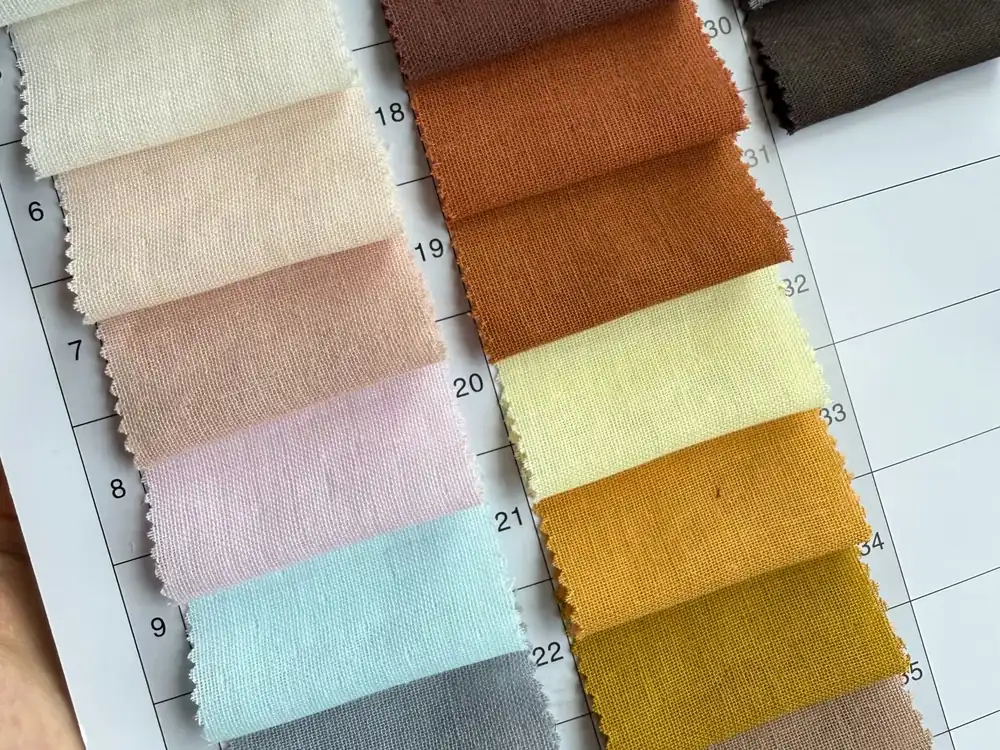
Once the fabric requirements are clear, the factory needs to find a suitable fabric and purchase it along with the standard trims needed for the sample.
The fabric purchasing cost is not simply the value of the material used in one finished garment. Fabric suppliers’ minimum selling quantities, extra fabric pieces needed for printing or embroidery trials, and minimum purchase quantities for trims all affect the actual expense.
One garment may use only a small amount of ribbing, a zipper or a few other trims, but it may not be possible to buy exactly that quantity. Sample material costs therefore need to reflect what must actually be purchased.
If the customer requires a special color, a particular handfeel or a material that is difficult to source, the available options also need to be checked against those requirements before production starts.
Individual Cutting, Sewing and Finishing
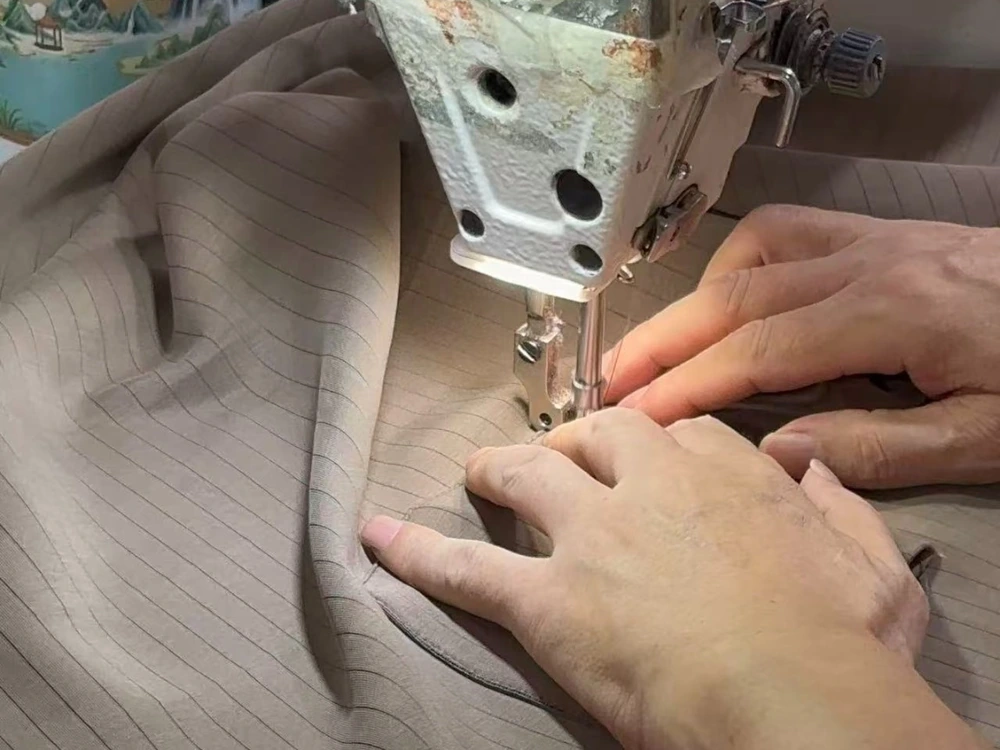
Once the fabric and pattern are ready, the sample still needs to be cut, sewn, pressed and checked.
In bulk production, garments of the same style can be cut in batches and made through a sequence of repeated operations. During sampling, quantities are small, and the sample maker works through the new design while resolving construction and workmanship details along the way.
So even when the same fabric is used, the cost of making one sample cannot be calculated at the bulk unit rate.
How Do Printing, Embroidery and Other Processes Affect Sample Costs?
Alongside the garment’s development and construction, decoration and treatments are another part of the cost to assess.
The factory needs to see the actual artwork and requirements. Knowing only that a garment “has printing” or “has embroidery” is not enough for an accurate quotation.
Printing
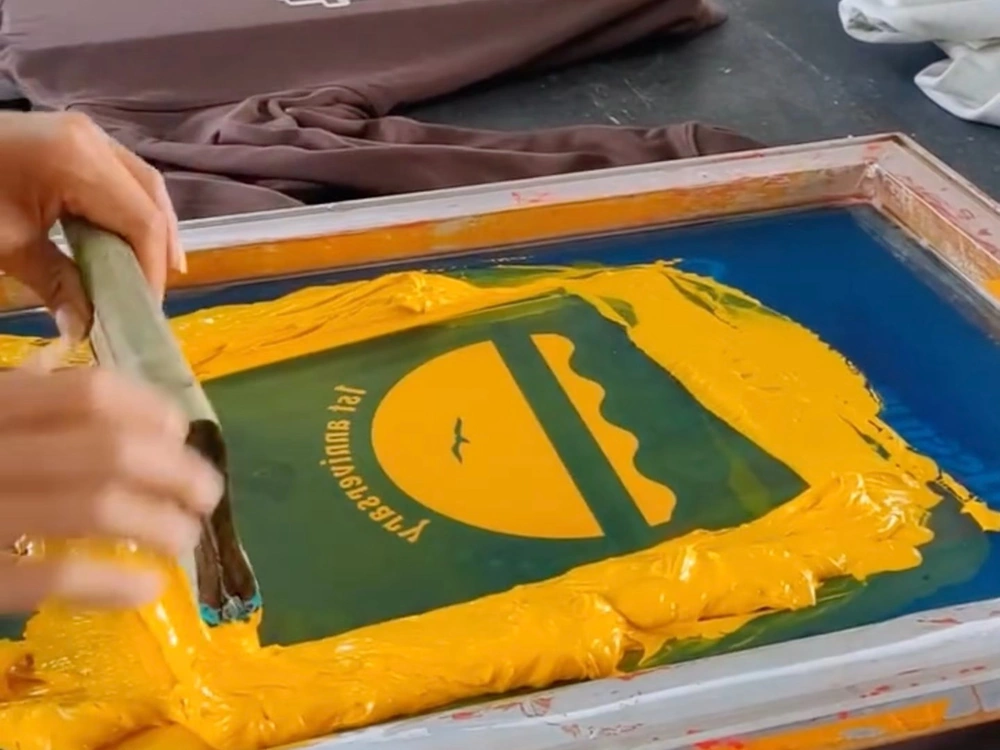
The printing method needs to suit the artwork size, colors, placement, fabric and intended finish.
For example, screen printing, direct-to-garment printing (DTG) and direct-to-film transfers (DTF) can produce very different results. Their production costs and prices can also differ considerably, so they cannot all be priced on the same basis.
If the chosen method requires screen preparation or test prints, that work still needs to be completed even for a single sample. These costs can be included in the total sample price, as specified in the quotation.
Embroidery and Appliqué
Embroidery requires a digitized file based on the artwork, with the size, stitch types, density and thread colors defined. Appliqué also involves selecting and cutting the appliqué fabric and determining how it will be stitched in place.
Small lettering and a large, detailed design require different amounts of preparation and production time. The cost needs to be assessed from the actual artwork, rather than treating everything as “one embroidered logo.”
Rhinestones and Combined Processes
Rhinestone work requires decisions about stone sizes, colors, arrangement and placement. The area covered by the design affects both material use and the amount of work involved.
If a garment combines printing, appliqué and rhinestones, each process needs to be assessed separately. Their placement in relation to one another and the production sequence also need to be considered.
The higher sample cost comes from these specific materials and operations and needs to be calculated against the design.
Garment Washing
For styles with wash treatments, the factory needs to understand the intended color, handfeel and surface effect. It also needs to consider how washing will affect garment measurements and other processes.
For example, a T-shirt with both printing and washing needs a production sequence suited to the desired result. One purpose of sampling is to bring those requirements together in a physical garment so the customer can see the finished effect.
Why Might Custom Labels, Trims and Packaging Cost Extra?
Branded labels, hangtags, custom drawcords, bespoke hardware and printed packaging bags are separate items from the garment’s construction.
These usually need to be ordered from specialist suppliers. Some require setup or molds, while others have minimum production quantities. Even if only a few pieces are needed for the sample, the purchase may involve a batch of materials or a setup charge.
The sample quotation should therefore state which custom items are included and which are priced separately. Do not assume that every custom trim is included, or that every one must carry an additional charge.
If the first sample is mainly for reviewing fit, fabric and decoration, you can discuss whether some branded trims and packaging can be developed later.
However, a component that affects the result being assessed needs to be included in that round of development. For example, if the thickness and material of a custom drawcord are important to the design, a very different standard drawcord should not be used as the basis for approving the final look.
Any items deferred to a later stage should remain clearly identified in the development plan.
Why Can’t You Use the Sample Fee to Calculate the Bulk Unit Price?
Sampling involves development and process preparation for a small number of garments. Bulk production uses the approved patterns, materials and processes to manufacture the agreed quantity.
The costs are calculated under different conditions.
For example, a pattern needs to be developed during sampling. If the design remains unchanged, bulk production can proceed using the approved pattern as its basis. A new pattern does not need to be developed for every garment.
Likewise, some setup costs can be spread across more pieces during bulk production. Cutting, sewing and material purchasing arrangements also change with quantity.
A higher sample price therefore does not mean that bulk garments will be charged at the same rate. Equally, a lower bulk unit price does not mean that a sample can be made for the price of one bulk garment.
If you already have an expected order quantity and a target bulk unit price, share them before sampling. The factory can then consider your production budget when reviewing the development requirements.
How Should Sample Revision Costs Be Handled?
When a sample needs changes, first look at why the change is needed and what work must be repeated. Different situations should not all be treated in the same way.
The Sample Does Not Follow the Confirmed Requirements
For example, the factory uses the wrong artwork or places a print somewhere other than the agreed position. This is a difference between what was agreed and what was made. Both sides should refer to the confirmed information, identify the issue and handle it according to their agreement.
It should not simply be treated as an additional customer request.
The Sample Follows the Requirements but Needs Further Fit Adjustments
A sample may match the measurement chart, but after trying it on, the customer may want more room across the shoulders, a shorter body or a different sleeve shape.
These are fit adjustments following a fitting. The amount of work depends on the changes and whether new materials, recutting or a new garment are needed. Any charges should be handled according to the original sampling agreement.
The Customer Changes the Original Design
Examples include changing a pullover hoodie to a zip-up style, replacing a print with appliqué, or choosing a different fabric after the sample has been completed.
These changes may require pattern alterations, new process setup or another sample. The factory should explain what needs to be redone and confirm the cost before starting.
To reduce repeated work, it helps to review the sample and gather fit, measurement and decoration feedback together before the next revision. Photos, measurements and specific instructions are easier to act on than scattered requests to “change this a little.”
Can the Sample Fee Be Deducted from a Bulk Order?
Any deduction depends on the terms agreed between the factory and the customer.
Some projects allow part of the sample fee to be credited against production, while others charge development separately. Setup fees for custom trims, mold costs and shipping may also be handled differently.
If a credit is agreed, clarify:
- Which fee is eligible and the exact amount.
- Which style and order conditions it applies to.
- Which bulk-order payment will include the deduction.
Without a prior agreement, do not assume that the sample fee will be refunded. One factory’s policy should not be treated as a rule that applies to every manufacturer.
What Should You Confirm Before Paying?
You do not need to ask about every routine production step again before payment. The priority is making sure the quotation matches the agreed requirements.
First, check that the factory has quoted against the latest agreed design, including the fabric, measurements and decoration or treatment requirements. If washing, embroidery or other work has been added since the quotation, the price should be reconfirmed.
Next, check whether custom labels, trims, packaging and shipping are included. These costs can depend on production quantities and supplier requirements, so they should be explained before work begins.
Finally, make sure you understand the expected sample timing, how revisions will be handled and any agreed conditions for deducting fees from a bulk order.
With these details clear, the customer knows what the sample payment covers, and the factory can proceed with the same understanding of the work.
Send Your Sample Requirements to YX Custom Clothing
YX Custom Clothing supports clothing brands with pattern development, fabric sourcing, sample making and bulk production.
You can send us your designs, reference images or tech pack, along with your measurements, fabric requirements, decoration details and custom trim needs. If you have an expected bulk quantity and target price, include those too.
We will assess the development and production costs for your design and explain what the quotation includes, along with any custom items that need separate confirmation.